Understanding the Difference Between a Claim and a Lawsuit
A plain-language explanation of insurance claims, civil lawsuits, discovery, negotiation, mediation, trial preparation, and resolution.
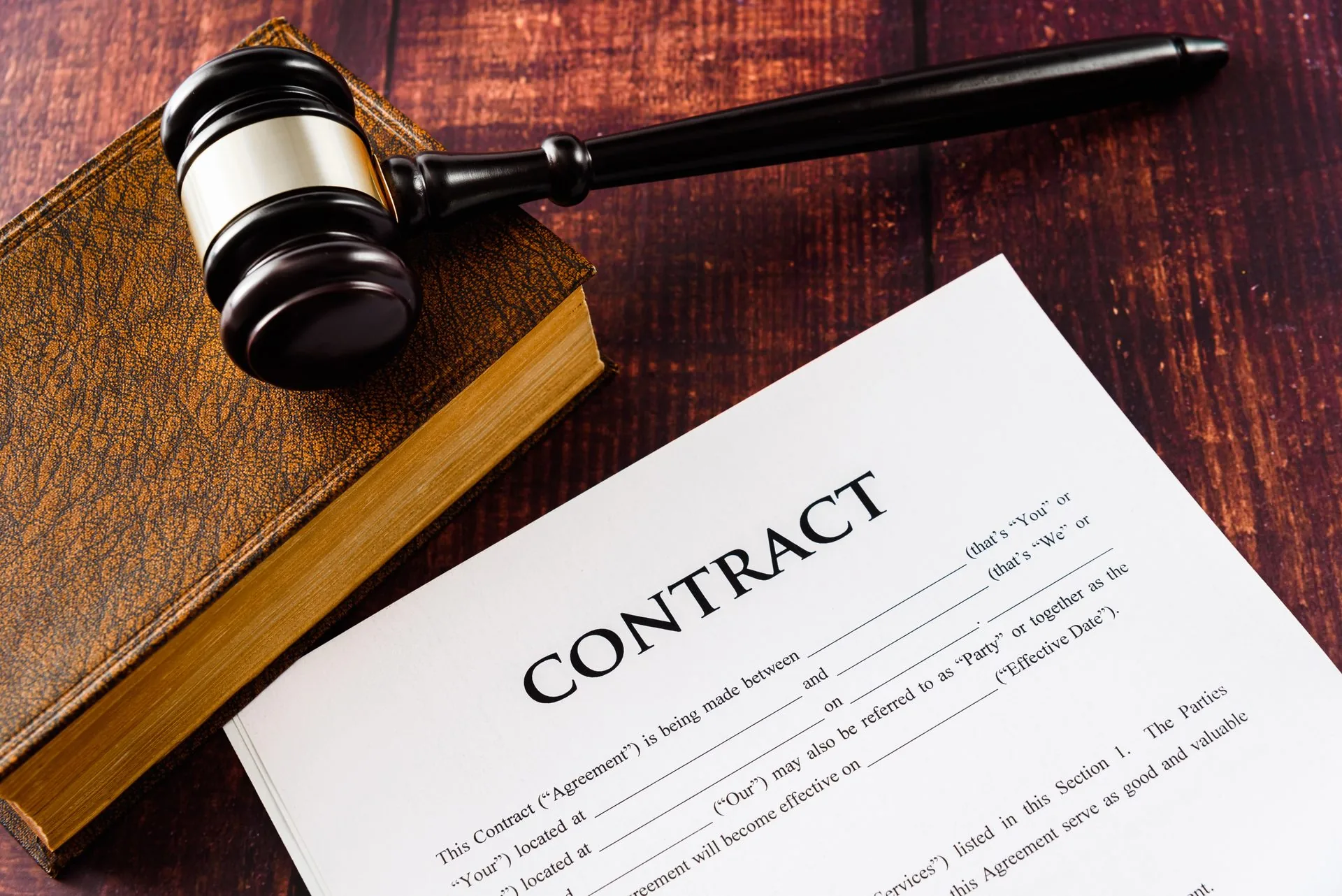
People often use “claim,” “case,” and “lawsuit” as if they mean the same thing. They overlap, but they describe different parts of the legal process. Understanding the distinction can make insurance letters, attorney conversations, and important decisions less confusing.
A claim can exist without a lawsuit. A lawsuit is a formal court proceeding. Either can resolve through negotiation, and neither guarantees compensation.
What is an injury claim?
An injury claim is an assertion that another person, business, insurer, or entity has legal or contractual responsibility for harm. It may be presented directly to a responsible party, to an insurance company, through a benefits system, or in another required process.
The claim usually identifies the event, theory of responsibility, injuries, losses, and requested resolution. Before a formal demand, the injured person or legal team may report the incident, investigate facts, collect medical and financial records, identify coverage, and communicate with adjusters.
An insurance claim is not a neutral court review. The insurer evaluates coverage, responsibility, damages, defenses, policy terms, and settlement risk for its insured or under its contract. It may request statements, records, examinations, authorizations, or other information.
What happens during the claim stage?
The work depends on the incident and injury. Common tasks include:
- Preserving photographs, video, products, vehicles, and digital information
- Obtaining reports and identifying witnesses
- Reviewing ownership, employment, contracts, or insurance policies
- Following medical treatment and collecting appropriate records
- Documenting income effects, expenses, and daily limitations
- Addressing insurer requests and disputed facts
When the matter is ready for evaluation, a supported demand may be presented. Timing can depend on medical status, evidence, risk of a deadline, and client needs. Waiting for complete information must be balanced against legal time limits and evidence concerns.
Negotiations may involve offers and counteroffers, explanation of disputed issues, or additional proof. A settlement is voluntary. The client decides whether to accept after receiving advice; the lawyer cannot accept without authority.
What is a lawsuit?
A lawsuit begins when a complaint or other initiating document is filed in a court and served as required. The complaint identifies parties and legal claims and asks the court for relief. The responding parties can admit, deny, or raise defenses.
Filing creates formal procedural duties, schedules, disclosure rules, and court oversight. It does not mean the matter will necessarily go to trial. Many lawsuits resolve through negotiation or mediation before a trial occurs.
The appropriate court, parties, claims, and timing require legal analysis. Some matters also have pre-suit notices, administrative steps, contractual processes, or special procedural requirements.
Why might a lawsuit be filed?
Litigation may become appropriate because responsibility or damages are materially disputed, necessary information cannot be obtained informally, a filing deadline requires action, a party refuses a reasonable resolution, or the client’s goals and evidence support formal proceedings.
Filing should not be used merely as a threat. It brings costs, time, obligations, public filings, and uncertainty. A prepared lawyer discusses those tradeoffs and does not guarantee that litigation will improve the outcome.
What is discovery?
Discovery is the structured exchange of information after a lawsuit begins. Depending on the court and case, it may include written questions, document requests, requests to admit facts, depositions, physical or mental examinations, site or product inspections, subpoenas, and expert disclosures.
Parties must follow rules governing relevance, objections, privacy, deadlines, preservation, and truthful responses. Discovery can reveal helpful evidence and weaknesses. It is often one of the longest and most work-intensive parts of litigation.
A deposition is formal testimony under oath, usually taken before trial. Preparation focuses on listening, telling the truth, answering the question asked, and avoiding guesses—not memorizing a script.
Motions, mediation, and settlement
Courts may decide motions about pleadings, evidence, discovery disputes, legal issues, or whether a claim can proceed. Motion outcomes can narrow the case or affect settlement positions, but they are not always final resolution.
Mediation uses a neutral person to help parties explore settlement. The mediator generally does not decide the case. Mediation can permit candid discussion of evidence, risk, cost, and non-monetary terms. It does not guarantee agreement.
Negotiation can continue at almost any stage. More information may make evaluation easier, while litigation expense and uncertainty may affect both sides. The client should understand settlement terms, liens or balances, costs, releases, confidentiality, and finality before accepting.
Trial and verdict
If a lawsuit does not resolve or end through a motion, it may proceed to trial. The parties present admissible evidence through witnesses, documents, exhibits, and qualified experts. A judge or jury applies the law and reaches decisions on responsibility and damages.
Trial preparation includes witness work, exhibit organization, motions about evidence, jury instructions, and a clear presentation. Even a well-prepared matter has risk. Witnesses can be uncertain, rulings can exclude evidence, and decision-makers may interpret facts differently.
A verdict may be followed by post-trial motions, collection questions, or appeal. A verdict is not always the immediate end of the process.
How time limits affect both stages
Negotiating an insurance claim does not necessarily stop a legal filing deadline. Deadlines vary by claim, defendant, injury, age or capacity, discovery of harm, and special rules. Government entities and professional claims may involve distinct notices or procedures.
There is no universal period that is safe for every California injury matter. Qualified advice should be sought promptly, even when an insurer is communicating or appears to be investigating.
Which path is right?
The choice is not always claim or lawsuit. A matter may begin as a claim, continue into litigation, and resolve through settlement. Another may resolve without filing. Some may not have sufficient legal or factual support to proceed.
The sound approach depends on evidence, law, coverage, damages, costs, client goals, and realistic risk. Understanding each stage helps the client participate in decisions instead of feeling carried along by an unfamiliar process.