



Personal attention
Your concerns, medical needs, work responsibilities, and family pressures shape the plan. Communication should feel human, not transactional.
We help injured people understand their rights, confront powerful insurance companies and pursue accountability after life-changing accidents.
Contingency-fee terms are subject to eligibility and a written agreement.
About Justice
When medical treatment, lost income, property damage, family pressure, and insurance calls arrive at once, Justice brings the legal work into one focused strategy.
After an injury, you may be expected to make important decisions before the diagnosis or recovery path is clear. Justice organizes the moving parts and explains what comes next.
Our role can include investigating the incident, preserving evidence, collecting records, identifying responsible parties, handling insurer communication, documenting losses, negotiating, and preparing for trial when necessary.
Practice Areas
Each matter begins with different evidence, responsible parties, coverage, and personal consequences. Explore the areas where Justice can help.
Hover, focus, or scroll through the featured practices. Every area remains available without interaction.

Why Justice
Six principles guide the relationship from the first conversation through resolution.
Your concerns, medical needs, work responsibilities, and family pressures shape the plan. Communication should feel human, not transactional.
We look beyond an initial report to identify witnesses, records, video, physical evidence, insurance coverage, and every potentially responsible party.
Clients deserve timely updates, plain-language explanations, and a real opportunity to ask questions before important decisions.
A claim is stronger when facts, damages, witnesses, and legal issues are developed carefully from the beginning.
Qualifying matters may be handled on a contingency fee. Fees and costs are governed by a written agreement.
The firm is designed around the realities of Los Angeles County and the people who live and work here.
Your concerns, medical needs, work responsibilities, and family pressures shape the plan. Communication should feel human, not transactional.
We look beyond an initial report to identify witnesses, records, video, physical evidence, insurance coverage, and every potentially responsible party.
Clients deserve timely updates, plain-language explanations, and a real opportunity to ask questions before important decisions.
A claim is stronger when facts, damages, witnesses, and legal issues are developed carefully from the beginning.
Qualifying matters may be handled on a contingency fee. Fees and costs are governed by a written agreement.
The firm is designed around the realities of Los Angeles County and the people who live and work here.
Verified Outcomes
Justice will publish documented case outcomes only after substantiation and appropriate authorization.
Outcome details, case type, and summary remain withheld until verified.
↗Outcome details, case type, and summary remain withheld until verified.
↗Outcome details, case type, and summary remain withheld until verified.
↗Past results do not guarantee or predict a similar outcome in any future matter.
The Legal Process
Every case is different. These stages show how information becomes a prepared claim and, when appropriate, litigation.




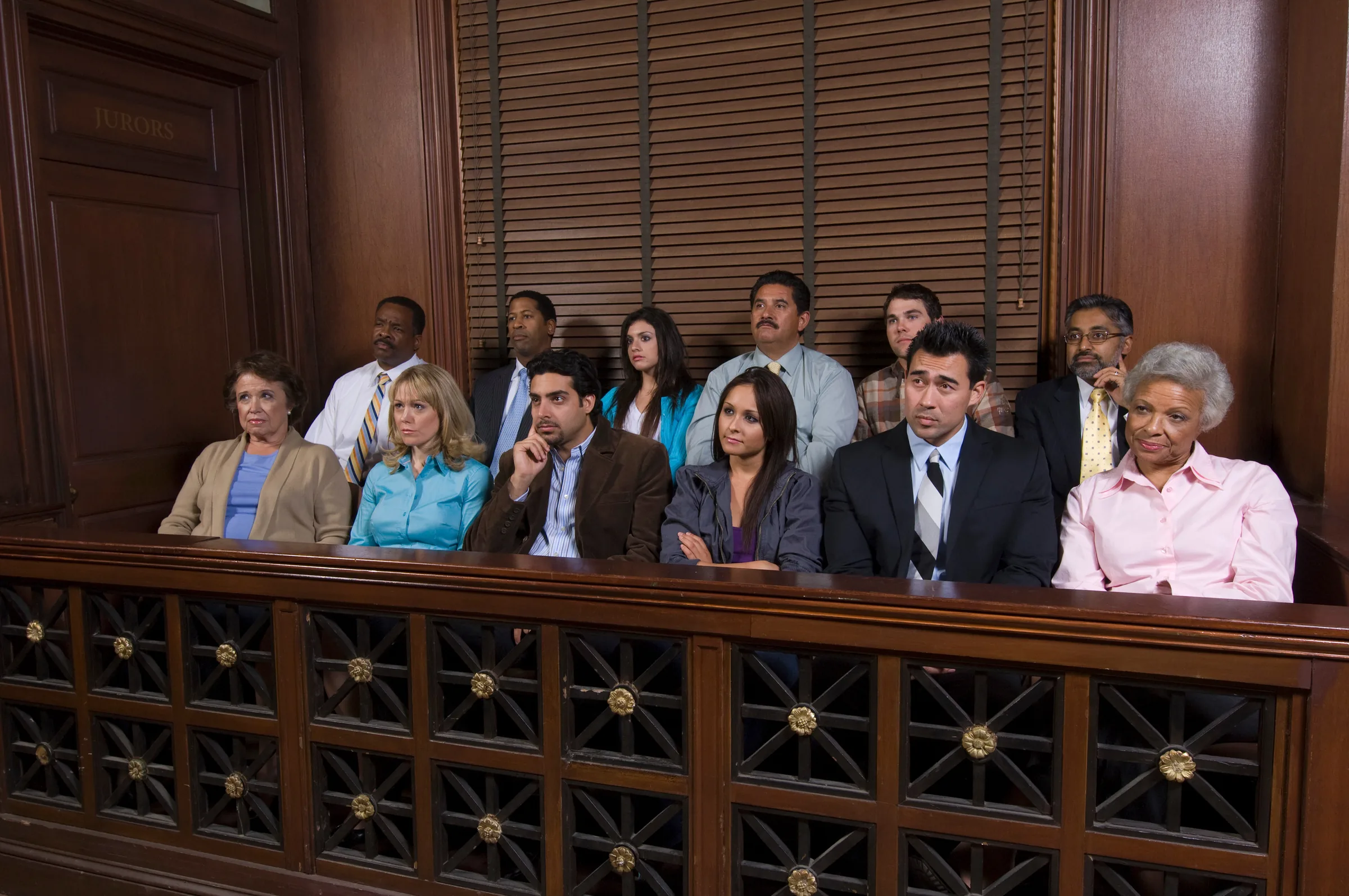
Tell us what happened and what you need now.
We review responsibility, harm, available evidence, and practical next steps.
Records, photographs, video, witnesses, and loss documentation are gathered and preserved.
A supported claim is presented and proposals are evaluated with you.
A lawsuit may be considered when appropriate; every decision remains specific to the case.
Many claims resolve through negotiation. Meaningful preparation requires understanding the evidence, documenting the full effect of the injury, anticipating disputes, and knowing what would be required in court.
Whether a lawsuit or trial is appropriate depends on the facts, law, client goals, and available evidence.
See how it works↗The People Behind Justice
Attorney identities, credentials, and biographies will be published only after firm verification. Every portrait shown is a stock placeholder.
 Placeholder portrait
 Placeholder portrait
 Placeholder portrait
Founding Attorney · Fictional demo profile shown only to preview the attorney-directory layout.
Personal Injury Attorney · Fictional demo profile shown only to preview the attorney-directory layout.
Litigation Attorney · Fictional demo profile shown only to preview the attorney-directory layout.
Your First Conversation
A consultation is an opportunity to discuss the incident, injuries, treatment, insurance communication, and possible next steps—without pretending every answer is already known.
No attorney-client relationship begins unless the firm and client sign a written engagement agreement.
Start a private conversation↗Client Experiences
No fictional reviews, ratings, client names, or platform logos appear here.
Testimonials will appear only after receiving the real text and written authorization.
Past results do not guarantee or predict a similar outcome in any future matter.
The Standards We Work By
These are operating principles, not awards, rankings, or unsupported claims.
The strategy begins with the person, not the file.
↗Evidence and losses are developed with care.
↗Important choices are explained in clear language.
↗Preparation accounts for disputes and court.
↗The first conversation is private and focused.
↗Representation designed for local realities.
↗Resources & Journal
Educational guidance should clarify decisions without pretending to replace advice about the facts.
Questions, Clearly Answered
These general answers can help you prepare for a conversation. They are not individualized legal advice.
Not every incident requires representation. Legal guidance may be useful when injuries are serious, fault is disputed, several parties may be involved, or an insurer asks for a statement or broad authorization. A consultation can help you understand the issues without committing to a case.
The conversation generally covers what happened, known injuries, current treatment, available documents, insurance communications, and possible next steps. It is also a chance to ask about scope, fees, communication, and whether the firm is able to consider the matter.
Justice anticipates offering contingency-fee representation in qualifying matters, meaning no upfront attorney fee and a fee only under the signed agreement. Exact fees, costs, responsibilities, and exceptions must be stated in a written engagement agreement. A consultation alone does not create representation.
Depending on proof and applicable law, recoverable losses may include medical expenses, lost income, reduced earning capacity, property damage, and the human effects of injury. Availability and value are fact-specific, and no outcome can be promised.
Timing varies with medical recovery, evidence, the number of parties, insurance disputes, negotiation, court schedules, and whether litigation becomes appropriate. A quick resolution is not always a complete one, but unnecessary delay should be avoided.
Prioritize safety and appropriate medical care. When possible, report the incident, exchange information, photograph the scene and injuries, identify witnesses, preserve damaged property and documents, and avoid guessing about fault. Keep treatment and expense records.
You may have contractual reporting duties, but recorded statements, releases, and broad medical authorizations can have lasting effects. Provide accurate information and consider legal advice before detailed discussions or signing documents. Do not misstate or exaggerate anything.
Many matters resolve without trial, while some require a lawsuit to obtain information, address a dispute, or pursue a fair resolution. Whether filing or trial is appropriate depends on the facts, client goals, evidence, and law.
Potentially. Responsibility can be shared, and a person’s own conduct may affect recovery. The analysis depends on the evidence and applicable California law, so avoid making conclusions from an initial accusation alone.
There is no safe universal deadline. Time limits depend on the claim, injury, discovery of harm, age or capacity of the person, and whether a government entity, healthcare provider, or another special defendant is involved. Some notice periods can be short. Speak with a qualified California attorney promptly.
You do not have to make every decision today. Start with a private conversation about your situation and the options that may be available.